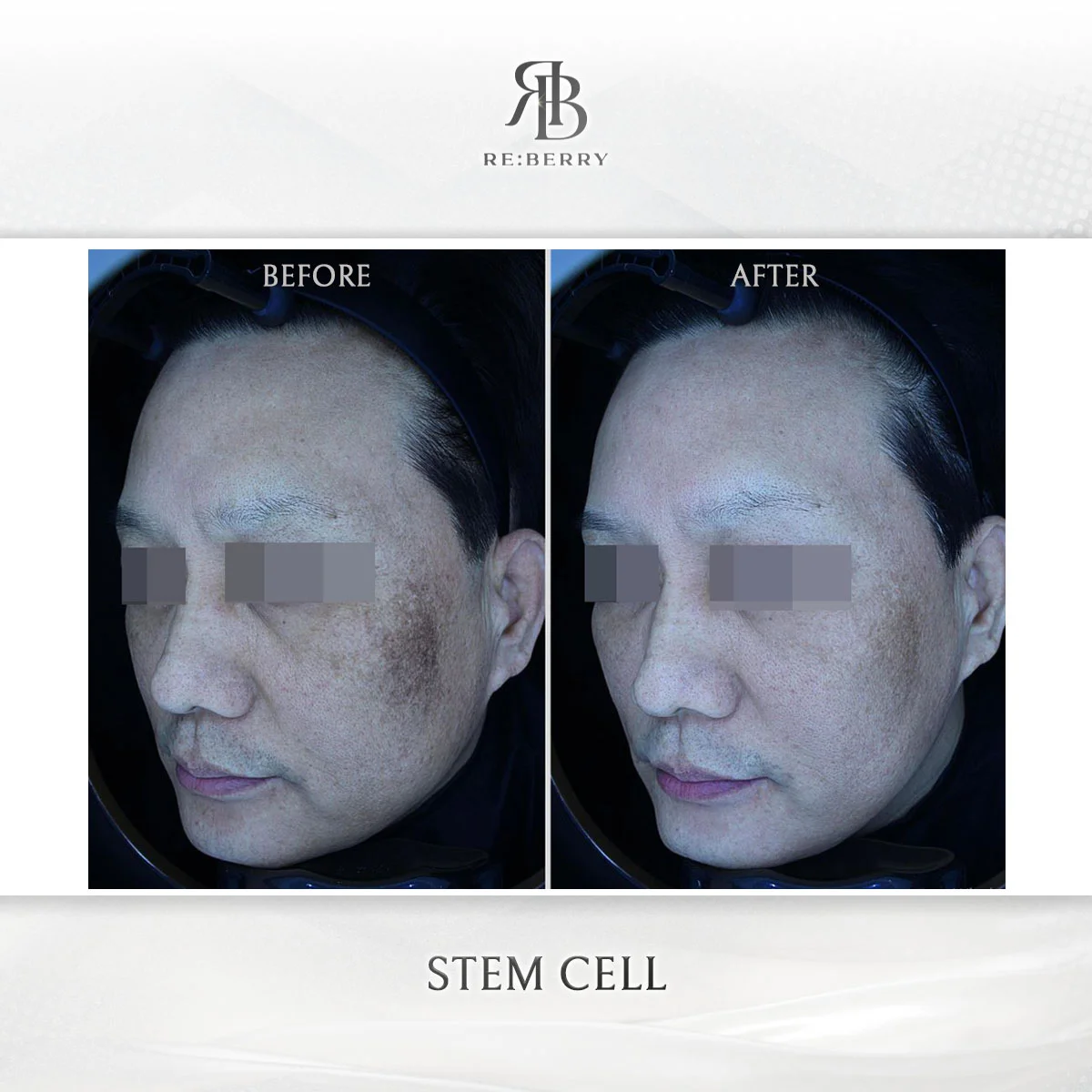
What Happens Before Your First Stem Cell Session
Your first stem cell therapy experience begins with a comprehensive consultation lasting approximately 30 minutes. The aesthetic medicine specialist assesses your skin condition, discusses your goals, and explains which regenerative protocol suits your concerns. For autologous blood therapy, a small blood sample (typically 20-60ml depending on the protocol) is drawn during or before this visit. This sample serves as the raw material for your personalized treatment.
Before your appointment, avoid blood-thinning medications including aspirin and ibuprofen for 7 days. Discontinue retinol products 3-5 days prior. Arrive well-hydrated, as proper hydration improves blood draw quality and growth factor yield by up to 15%. Avoid alcohol for 48 hours before treatment, as it reduces platelet function and compromises the concentration of regenerative components in your processed sample.
The Step-by-Step Treatment Process
Blood Draw and Processing
The treatment begins with a standard venous blood draw from your arm, identical to a routine lab test. Your blood is then placed into a medical-grade centrifuge operating at 1,200-1,500 RPM for 8-12 minutes. This spinning separates your blood into layers, isolating the platelet-rich plasma and growth factor concentrate. The entire processing phase takes 15-20 minutes and occurs in a sterile environment using closed-system kits that prevent contamination.
Injection and Application
Once processed, the concentrated regenerative material is injected into targeted treatment zones using fine 30-32 gauge needles or microneedling delivery systems. For facial rejuvenation, the specialist covers 40-60 injection points across the cheeks, forehead, under-eyes, and jawline. Topical anesthetic cream applied 20-30 minutes before injection reduces discomfort to a mild pressure sensation. The injection phase takes 20-30 minutes depending on the number of treatment zones.
What to Expect During and After Treatment
During the injection phase, most first-time patients report mild pressure rather than sharp pain, rating discomfort at 2-3 on a 10-point scale. Slight redness and pinpoint swelling at injection sites are normal and resolve within 24-48 hours. Some patients experience minor bruising that fades within 5-7 days. There is no general anesthesia involved, and the total in-clinic time from arrival to departure averages 90-120 minutes for a first visit.
Post-treatment care involves avoiding direct sun exposure for 48 hours, skipping makeup for 12-24 hours, and refraining from intense exercise for 72 hours. Gentle cleansing with lukewarm water is permitted after 6 hours. The treated areas may feel slightly warm or tender for the first 24 hours, which indicates the normal inflammatory response that initiates the regenerative cascade.
Timeline for Visible Results
Stem cell therapy results develop gradually rather than appearing immediately. Initial skin texture improvement becomes noticeable within 7-14 days as growth factors stimulate cellular turnover. Collagen remodeling peaks between weeks 4 and 12, producing visible firmness, reduced fine lines, and improved skin tone. Full results from a single autologous blood therapy session mature at approximately 3-6 months post-treatment.
Multi-session protocols deliver cumulative benefits. The Eternal Youth program at RE:BERRY Gangnam includes 4 treatment sessions with Eternal Booster ampoules, creating layered regeneration that extends result durability beyond 24 months. First-time patients typically start with a single Ever Youth session to assess their individual response before committing to extended protocols.
Managing First-Time Anxiety
Feeling nervous before a first stem cell treatment is common. Understanding that the procedure uses your own biological materials rather than foreign substances reassures many patients about safety. Autologous therapies carry near-zero rejection risk since nothing synthetic enters your body. The blood draw is identical to standard lab work, and the injection technique matches that of dermal fillers, a well-established procedure performed millions of times annually worldwide.
Ask your treating physician to explain each step as it happens. Knowing when the blood draw occurs, seeing the centrifuge processing your sample, and understanding exactly what enters each injection point transforms an unfamiliar experience into a transparent medical procedure. Communication during treatment reduces anxiety and builds trust in the clinical process.